

Our Research
Phase One:
Filling gaps in evidence and identifying solutions (2025 to 2026)
Find out more about our different work packages:
Workstream 1 Building meaningful partnerships, sharing knowledge and capacity building
Workstream 2 Listening to forgotten staff
Workstream 3 Identifying promising approaches and interventions
Workstream 4 Understanding workforce data
Workstream 5 Understanding costs and benefits
Over the first two years, we are building strong partnerships and bringing together evidence to understand how meaningful change to staff wellbeing can be improved at a system level. Working across five linked workstreams, we are:
building strong partnerships with key stakeholders including staff partners and employer partners.
listening to staff and test our previous research findings with staff groups that have not been the focus of previous research and may feel forgotten or seldom heard (e.g. non-clinical staff such as administrative staff, porters).
reviewing what works both within and outside the NHS.
exploring how workforce data can be best used to inform what is needed and evaluate potential solutions.
understanding the costs and benefits of different approaches.
This learning will be used to inform which approaches and solutions will be tested with which staff in Phase 2 (Years 3 to 5), as well as how to best measure the impact and cost of such changes.
Workstream 1: Building meaningful partnerships and ways of working, sharing knowledge and capacity building.
This workstream provides the infrastructure for the whole project and its sustainability beyond the end of the project. We are establishing staff partnership groups to invite all voices to be heard and ensure representation across different roles and workplace settings. Long-term improvements in staff wellbeing rely on strong working relationships and sharing information between research, education and practice, but people leading workforce and wellbeing at work are not always well linked to the evidence about what works. We are focusing on improving these connections and building the skills needed to support meaningful and lasting change to staff wellbeing.
We are working with health and wellbeing staff, employers and experts to:
Create inclusive opportunities for staff to engage with the project and help shape the work.
Co-design solutions (designing things together with staff, not for them)
Share learning locally and nationally so good ideas spread
Create a CARES-Well Academy to share effective resources for those working to support and enhance staff wellbeing


Workstream 2: Listening to Seldom Heard and Forgotten Staff.
Whilst a lot is known about the wellbeing of doctors and nurses, less is understood about the needs of other clinical staff and those working in non-clinical roles. Internationally recruited staff, disabled staff and those from marginalised groups are also often under-represented and unheard in previous research despite facing greater workplace challenges.
We are testing findings and recommendations from previous research undertaken with doctors, nurses, midwives and paramedics, to understand if and how recommendations should be adapted to be relevant for all health and social care staff. We are using staff surveys, workforce data and interviews to better understand the experiences of ‘seldom heard and forgotten’ staff and identify what support is needed to improve their wellbeing.



Workstream 3: Identifying promising approaches and interventions.
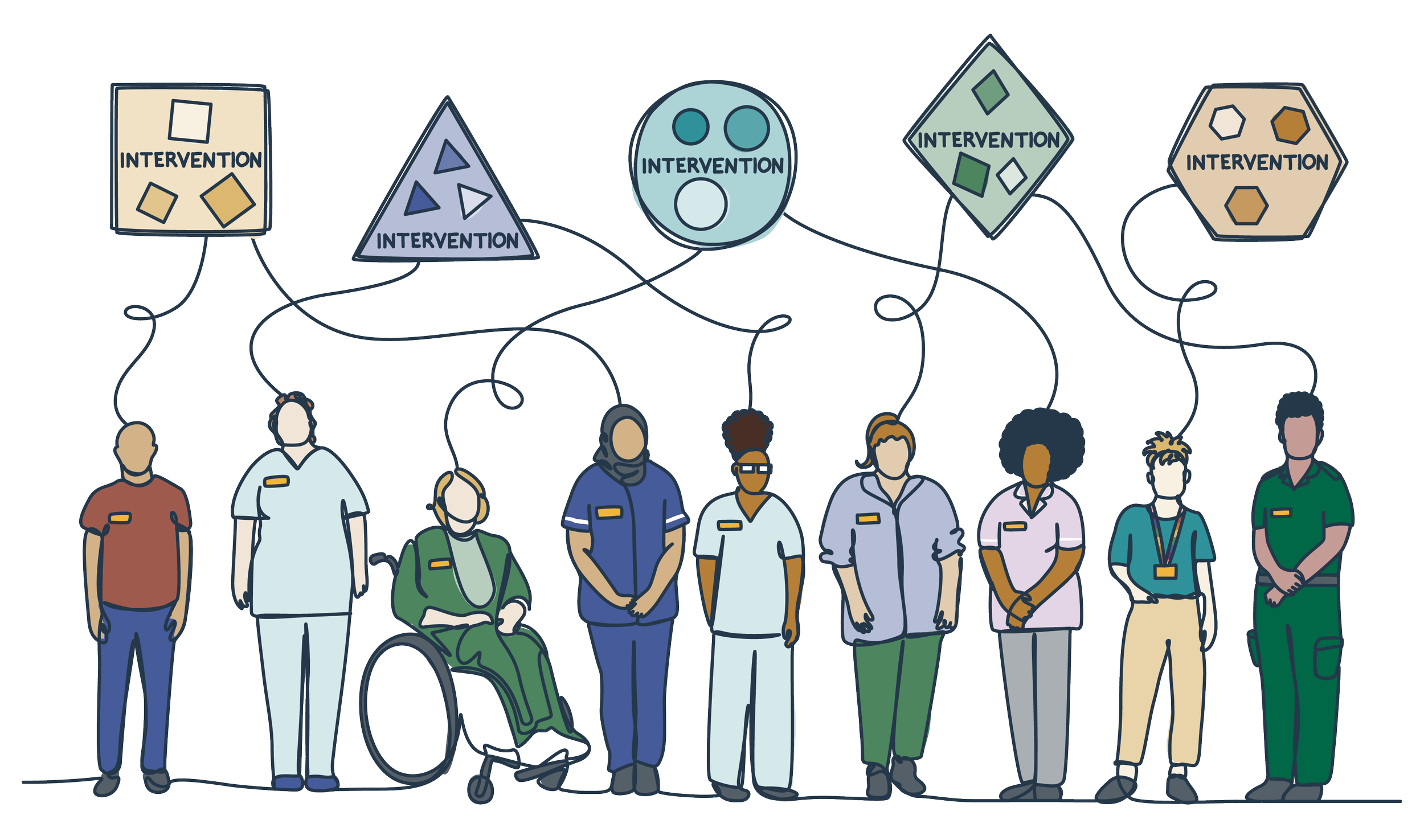
We are mapping the approaches thought to be ‘working’ in the healthcare organisations within our project. In addition, we are identifying promising workplace solutions that have impacted positively on staff wellbeing in healthcare organisations outside the UK as well as other non-healthcare industries/organisations within the UK.
Workstream 4: Understanding Workforce Data.
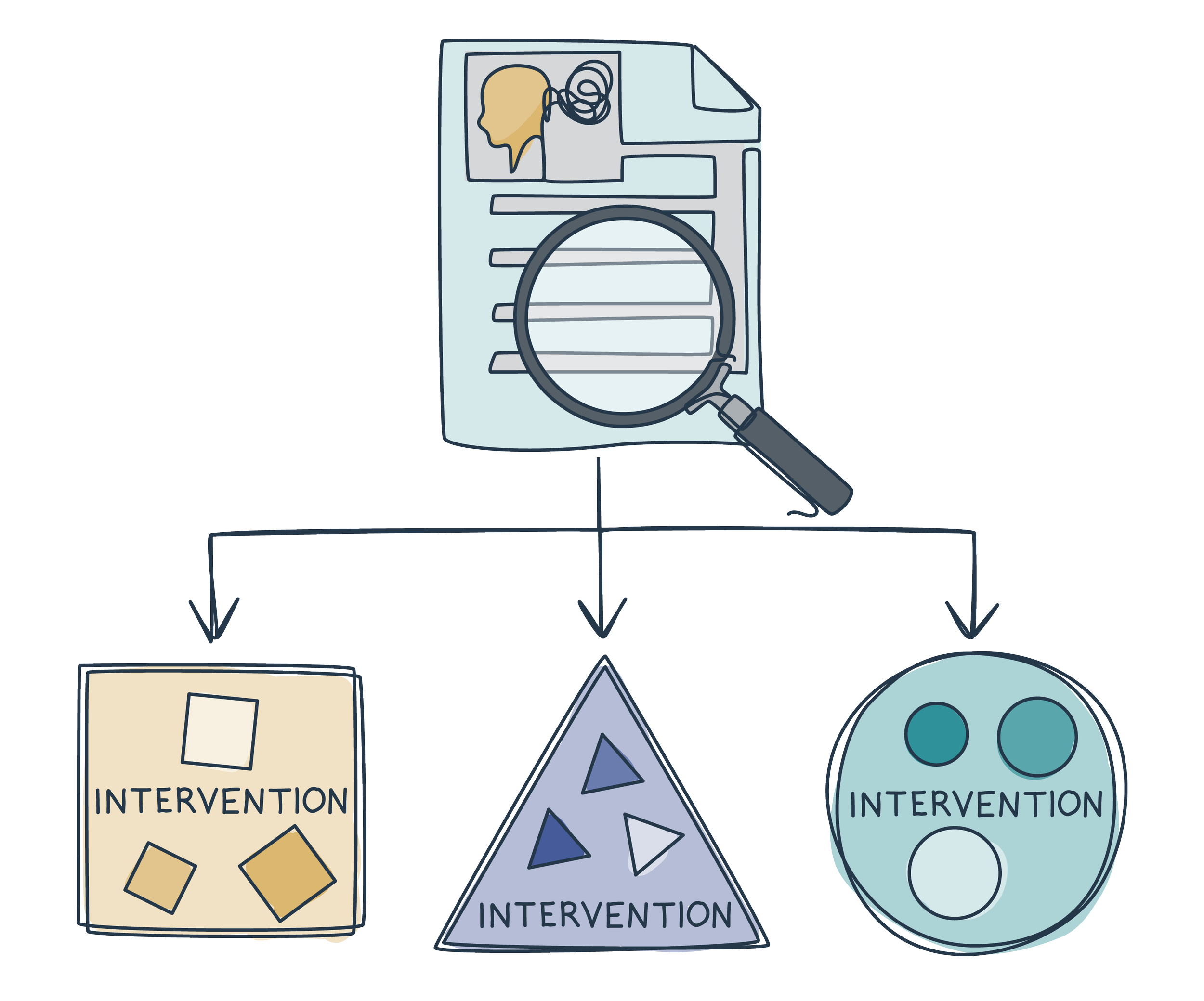
Large amounts of workforce and staff wellbeing data already exist, including electronic staff records, sickness absence, staff turnover, NHS Staff survey and other wellbeing surveys. However, employers have told us they are often overwhelmed by data, and unsure which information is most useful, and are not able to link the various datasets to help them better understand what staff need.
We are exploring how different sources of workforce and wellbeing data can be better used and, where possible, linked together to create a framework for measuring wellbeing which will help employers to monitor wellbeing, identify important variables and evaluate potential solutions.
In the first two years are exploring the possibilities and challenges to this and also investigate if and how qualitative measures could support employers to measure ‘current’ staff wellbeing.
Workstream 5: Understanding Costs and Benefits.
Continuing for the whole partnership, this workstream will determine how best to determine the cost and benefit of systems level interventions in a way that enables employers to adapt findings to their organisational context. By considering a range of outcomes such as sickness absence, presenteeism, staff retention and quality of working life, and using a framework that can adjust for and explain contextual variability, this work enables informed and realistic decision-making.
This will help healthcare organisations invest in approaches that are effective, relevant to their individual context and deliver meaningful benefits for staff and organisations.
Phase Two:
Implementing and Evaluating Change (2027 - 2030)
In Phase Two, we will use everything we have learned to co-design and test the most promising interventions in real health and social care settings, alongside implementing methods to measure and evaluate their impact. Changing workplace structures and culture is highly challenging and will take time, but this project will aim to shift the dial towards change that is meaningful for staff, and focused on building legacy to enable work to continue beyond the end of the project. Our focus will be on multi-strand “bundles’ of interventions that work coherently together to produce benefit, including prevention and reactive approaches.