
Collaborative Action for Research - Engaging in Staff Wellbeing
Working in partnership with health and social care colleagues to identify how to create healthy workplaces where staff will want to work, feel productive and can thrive.

Objective
CARES-Well is an NIHR funded 5-year national research project which focuses on improving staff wellbeing through identifying, implementing and evaluating changes to the systems, cultures and ways of working that shape everyday working life.
We are working in partnership with researchers, health and social care staff, employers and public partners to identify, implement and evaluate practical and sustainable approaches (called interventions) that help create healthier workplaces. Our objective is to enable employers to support staff so that they can thrive, even under pressure, and help prevent work-related psychological harm.

Background
A healthy and thriving workforce is essential for attracting and retaining health and social care staff, enabling them to deliver safe and high-quality patient care. However, many health and wellbeing staff experience stress, burnout and psychological ill-health putting pressure on individuals, teams and services, and estimated to cost the NHS £12.1 billion a year.
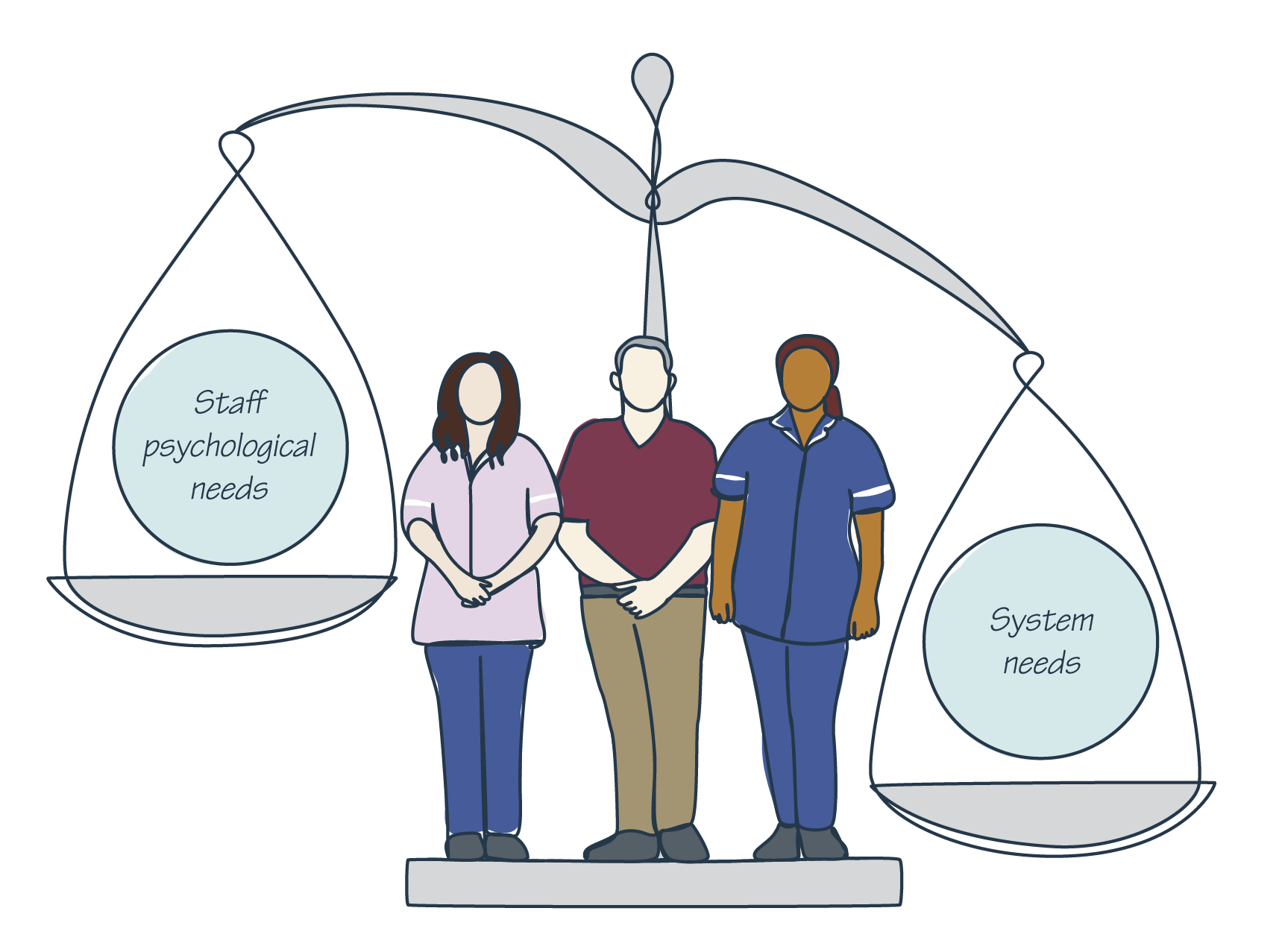
This work builds on national wellbeing initiatives and our previous NIHR-funded research. This includes the Care Under Pressure programme which investigated why poor psychological wellbeing persists and interventions have had limited impact. Evidence showed providing prompt, high quality, person-centred care for patients while meeting the needs of the workforce is a complex, dynamic balancing act. Often the needs of the system override staff needs, leading to a system out of balance and where staff wellbeing is not optimised. The CARES-Well project will test, refine and build on this foundation to support the creation of healthier workplaces where staff can thrive.


Approach
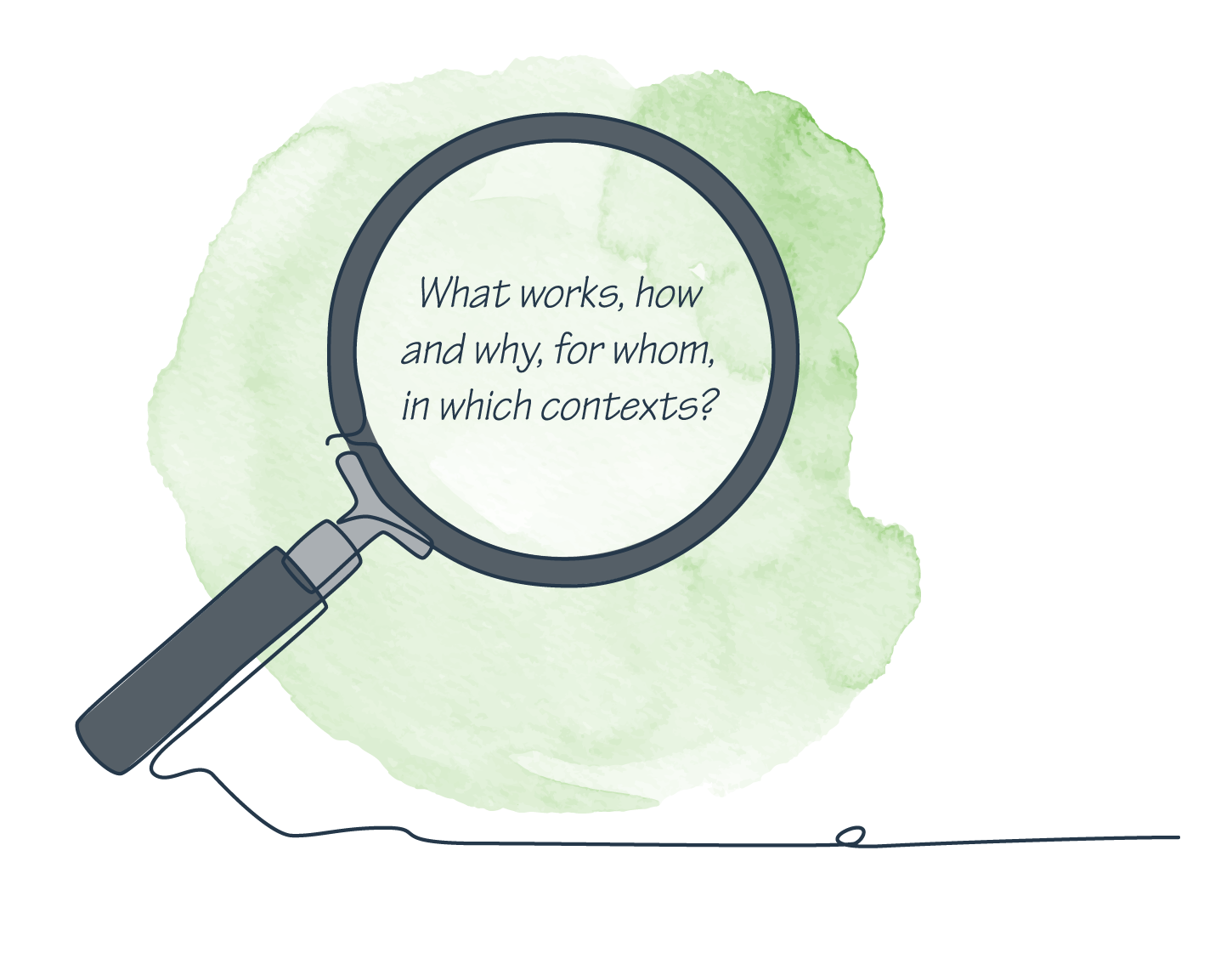
CARES-Well is one of five NIHR workforce partnership awards. The project has two phases. Over the first 2 years we will build strong partnership working with stakeholders, and fill gaps in existing knowledge by collecting, synthesising and analysing data from surveys, interviews and previous research. This evidence will be shared with stakeholders in a co-design process to work out what, where and how phase two will be delivered in years 3-5.
As well as focussing on healthcare staff we have strong links to the partnership focussing on social care as well as involving social care staff directly in some of our work.

Discover helpful resources in the ‘CARES-Well Academy’

Our research partners